Key Takeaways
- Drafting and Drawing are distinct processes used in defining and representing geopolitical boundaries, each serving different strategic and technical purposes.
- Drafting typically involves the initial formulation and negotiation of boundary lines, often during treaty-making or conflict resolution.
- Drawing is the precise cartographic representation of agreed-upon boundaries on maps, emphasizing accuracy and clarity.
- Drafting is a dynamic, often political process requiring legal and diplomatic input, whereas drawing is a technical, cartographic task.
- Understanding the nuances between drafting and drawing is essential for diplomats, geographers, and legal experts involved in territorial disputes.
What is Drafting?

Drafting refers to the process of formulating geopolitical boundaries through negotiation, legal language, and preliminary agreements. It usually occurs during peace talks, treaty-making, or territorial dispute settlements.
The Role of Negotiation in Drafting
Drafting boundaries is fundamentally a negotiation-driven activity where involved parties propose and counter-propose lines of division. These negotiations often reflect historical claims, ethnic distributions, and resource considerations, making the process complex and sensitive.
For instance, boundary drafting between countries with contested territories requires balancing geopolitical interests and minimizing potential conflicts. This phase often involves diplomats and legal experts to ensure the drafted text can withstand future disputes.
Legal Frameworks in Boundary Drafting
Drafting geopolitical boundaries is deeply embedded in international law, relying on treaties, conventions, and precedents to legitimize claims. The language used must be precise enough to avoid ambiguity but flexible enough to accommodate unforeseen geographical or political changes.
Legal terms such as “thalweg,” “median line,” or “equidistance” are frequently incorporated to describe natural or agreed-upon markers. This legal rigor ensures that the drafted boundaries are defensible in international courts or arbitration panels.
Impact of Historical Context on Drafting
Historical events heavily influence how boundaries are drafted, as past conflicts, colonial legacies, and demographic shifts shape territorial claims. Drafting often aims to reconcile these historical intricacies to prevent reigniting old tensions.
For example, the drafting of boundaries in post-colonial Africa involved untangling arbitrary colonial borders to better reflect ethnic and cultural realities. This demonstrates how drafting is not merely technical but deeply intertwined with political realities.
Drafting as a Preliminary Step
Drafting usually precedes the cartographic depiction of boundaries, serving as a conceptual and legal blueprint. Only after the drafting phase are the agreed terms translated into precise lines on maps during the drawing phase.
This preliminary nature means that drafting is often revisited and revised as negotiations evolve or new information emerges. Such adaptability is crucial to creating stable and accepted borders.
What is Drawing?
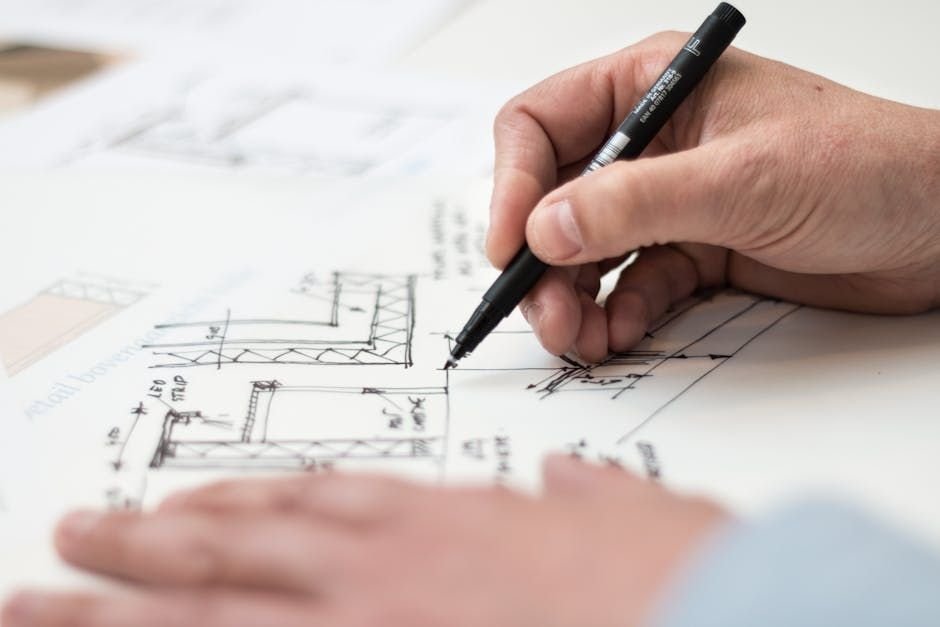
Drawing is the cartographic process of accurately representing geopolitical boundaries on maps after the drafting phase is completed. It transforms legal descriptions into spatial, visual forms for practical use and public reference.
Technical Precision in Boundary Drawing
Drawing boundaries requires exact measurements, geodetic data, and mapping technology to depict lines on various scales. Modern tools like GIS (Geographic Information Systems) allow cartographers to create detailed and accurate boundary representations.
Accuracy in drawing is essential to prevent misinterpretation or disputes arising from ambiguous map lines. Errors in drawing can lead to real-world conflicts or administrative confusion over jurisdiction.
Visual Communication of Boundaries
Drawing serves as a visual medium to communicate complex boundary agreements clearly to governments, citizens, and international bodies. Maps must balance clarity with detail, using symbols and colors to distinguish different types of boundaries such as disputed, recognized, or demarcated lines.
For example, UN maps depicting peacekeeping zones use specific line styles to denote temporary boundaries, highlighting the communicative role of drawing. This clarity helps in conflict prevention and international cooperation.
Integration with Geographic Features
Boundary drawing integrates natural features like rivers, mountain ranges, and coastlines that often serve as practical markers in geopolitical borders. This integration ensures that boundaries follow recognizable landmarks, facilitating enforcement and administration.
In maritime boundary drawing, for instance, the coastline is a critical reference point, with boundaries often defined by equidistance lines from shorelines. Such integration helps in managing resources and navigation rights effectively.
Reproducibility and Standardization
Drawing standards ensure that maps depicting boundaries can be consistently reproduced and interpreted worldwide. International organizations like the International Hydrographic Organization set guidelines to maintain uniformity in boundary representation.
Standardized drawing conventions reduce ambiguity and foster mutual recognition among states. This aspect is vital for international legal proceedings and diplomatic dialogue.
Comparison Table
The following table highlights key aspects distinguishing drafting and drawing in the context of geopolitical boundaries.
| Parameter of Comparison | Drafting | Drawing |
|---|---|---|
| Primary Function | Formulating boundary agreements through negotiation and legal language | Visualizing boundaries on maps with cartographic precision |
| Participants Involved | Diplomats, legal experts, negotiators | Cartographers, geographers, GIS specialists |
| Nature of Work | Conceptual and legal formulation | Technical and spatial representation |
| Tools Used | Legal documents, treaty drafts, negotiation records | Mapping software, geodetic instruments, satellite data |
| Output Format | Textual agreements, treaty clauses | Maps, charts, digital boundary layers |
| Role in Conflict Resolution | Establishes terms to prevent or resolve disputes | Provides clear, enforceable boundary visualization |
| Flexibility | Subject to revision during negotiations | Generally fixed once maps are published |
| Dependence on Geography | May reference geographic features abstractly | Requires precise integration with physical terrain |
| Legal Weight | Directly establishes legal boundary status | Supports legal status through accurate depiction |
| Impact on Public Perception | Limited, internal to diplomatic channels | Highly visible, influences public and administrative understanding |
Key Differences
- Conceptual vs. Visual Process — Drafting is mainly about formulating boundary terms, whereas drawing focuses on their graphical representation.
- Participants and Expertise — Drafting involves legal and diplomatic experts, while drawing requires technical cartographers and GIS professionals.
- Flexibility and Finality — Drafting boundaries can be revised during negotiations, but drawn boundaries tend to be fixed once published.
- Legal Authority — Drafting creates the binding legal framework, whereas drawing provides supportive visual evidence.
- Visibility and Accessibility — Drafting is often confidential, while drawing makes boundaries publicly understandable and accessible.
FAQs
How do drafting and drawing affect international boundary disputes?
Drafting sets the legal foundation for resolving disputes by establishing agreed terms, while drawing provides the precise cartographic evidence needed to implement and enforce those agreements. Both processes are crucial in preventing misunderstandings that could escalate tensions.
Can boundaries be redrawn after initial drafting and drawing?
Yes, boundaries can be renegotiated and redrafted if political circumstances change, which would then require updated drawings to reflect the new agreements. However, such changes are typically complex and require consensus from all involved parties