Key Takeaways
- Solid White Tuna is often associated with fish from the Pacific Ocean, recognized for its uniform color and softer texture.
- Chunk Light Tuna generally comes from smaller tuna species, featuring a darker color and a flakier, more fibrous consistency.
- The geographic boundaries defining Solid White Tuna and Chunk Light Tuna influence their taste, texture, and culinary uses.
- Differences in fishing regions and species lead to variations in sustainability practices for both types of tuna.
- Market demand and consumer preferences shape how each type is processed, packaged, and marketed globally.
What is Solid White Tuna?
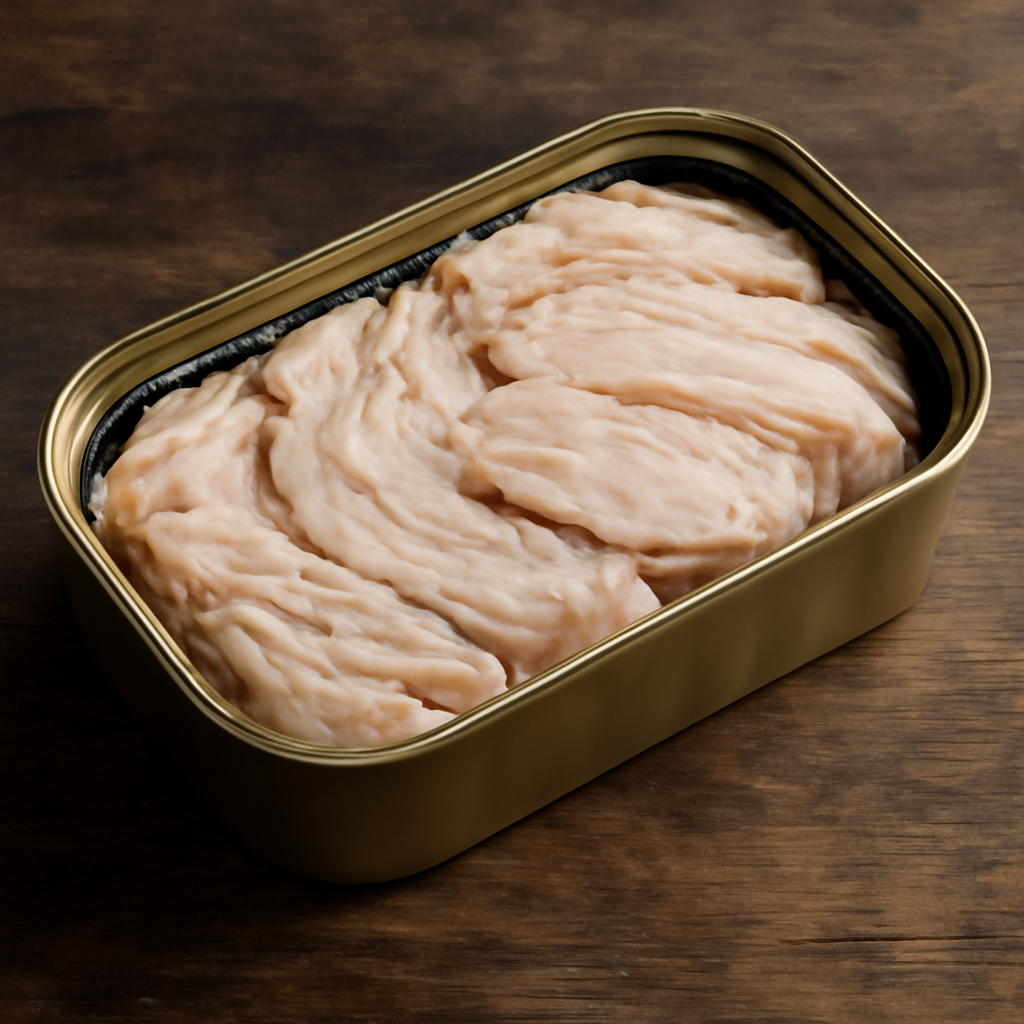
Solid White Tuna, also known as Albacore, refers to a species of tuna that migrates across the Pacific and Atlantic oceans. It is distinguished by its pale, light-colored flesh and mild flavor profile. This variety of tuna is often favored in premium canned products and sushi dishes because of its tender texture and clean taste.
Geographic Range and Habitat Specifics
Solid White Tuna predominantly inhabits the cooler waters of the Pacific Ocean, from California to Japan, and also appears in Atlantic regions. These fish prefer pelagic zones, swimming in open waters rather than near the ocean floor. Their migratory patterns are influenced by water temperature and seasonal changes, affecting where they are caught. The habitat preference means that fisheries often target specific regions during peak seasons to ensure high-quality harvests,
Fishing Methods and Sustainability Concerns
Fisheries for Solid White Tuna typically employ pole-and-line or trolling techniques, which are considered more sustainable compared to purse seine methods. These practices reduce bycatch and environmental impact, aiming to preserve tuna populations. Overfishing remains a concern in some areas, prompting certification efforts like the Marine Stewardship Council. Consumers increasingly seek sustainably sourced options, influencing market trends for Solid White Tuna.
Processing and Canning Standards
Once caught, Solid White Tuna is often processed with minimal handling to retain its delicate texture. It is usually canned in water or olive oil, with strict quality controls to ensure a consistent product. The flesh appears uniformly light in color, which is a marketing point for premium brands. The processing methods emphasize maintaining the tender, flaky texture that consumers expect from high-grade white tuna.
Nutritional Profile and Culinary Uses
Solid White Tuna is valued for its high protein content and low fat levels, making it a healthy choice. Its mild flavor pairs well with a variety of dishes, from salads to sandwiches. Because of its tender texture, it is preferred in recipes where presentation matters, such as sushi or light pasta dishes. The light flavor also means it can absorb flavors from dressings and seasonings effectively, broadening its culinary versatility.
Market Perception and Price Range
Solid White Tuna commands a higher price largely due to its perceived quality, taste, and the sustainability standards associated with its harvesting. Consumers often associate it with premium products, which influences retail pricing. The demand for Albacore-based canned tuna has created a niche market segment that values purity and texture. Price fluctuations can occur based on seasonal catches and regional regulations.
What is Chunk Light Tuna?
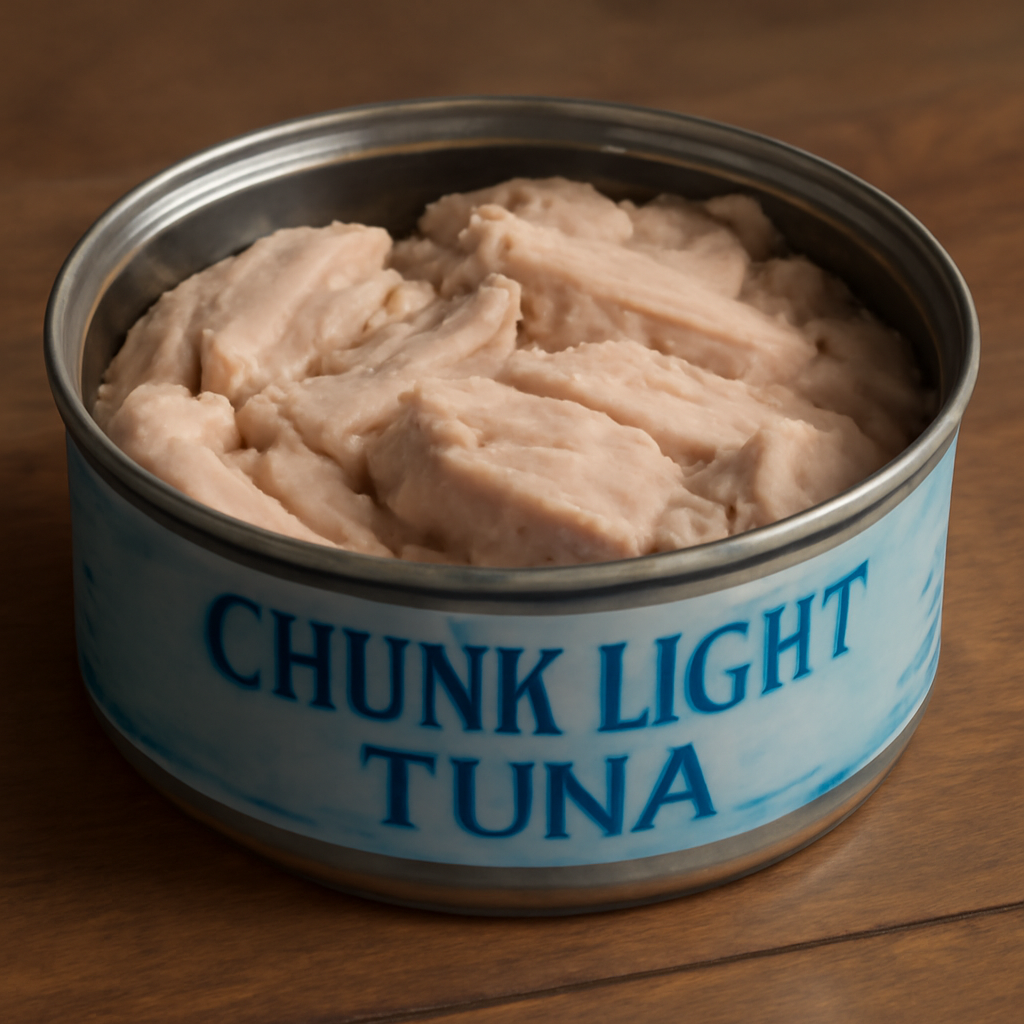
Chunk Light Tuna generally refers to smaller tuna species, primarily Skipjack and sometimes Yellowfin, which are caught in various ocean regions. It is characterized by darker flesh, a flakier texture, and a more pronounced flavor. This type of tuna is popular for its affordability and versatility in everyday cooking and snacking applications.
Geographic Distribution and Species Involved
Chunk Light Tuna is mostly harvested from tropical and subtropical waters, including the central Pacific, Indian Ocean, and Atlantic. Skipjack, the primary species used, prefers warmer waters and is abundant in regions like the Philippines, Indonesia, and West Africa. Yellowfin tuna, also used sometimes, inhabits similar areas but is less prevalent in light tuna products. The broad geographic spread allows for large-scale fishing to meet global demand efficiently.
Fishing Techniques and Environmental Impact
Longline and purse seine methods dominate the collection of Chunk Light Tuna, with some concerns over bycatch, especially of juvenile fish and other marine species. Efforts to reduce environmental impacts include the use of circle hooks and fish aggregating devices (FADs) with better management practices. Sustainability certifications are increasingly sought for Light Tuna fisheries, although challenges remain in balancing supply and conservation. The widespread fishing zones make regulation and enforcement complex, affecting overall environmental outcomes.
Processing, Packaging, and Market Preferences
Chunk Light Tuna is processed into large chunks, flakes, or ground forms, often packed in brine, oil, or water. Its fibrous, flaky structure makes it ideal for salads, casseroles, and sandwiches. The processing emphasizes retaining moisture and flavor, with many brands offering convenient, ready-to-eat packs. Market preferences lean towards affordability and convenience, making Chunk Light Tuna a staple in household pantries worldwide.
Flavor Profile and Culinary Flexibility
Compared to Solid White Tuna, Chunk Light Tuna has a more intense, fishy flavor and a chewy, fibrous texture. Its bold taste makes it suitable for dishes that benefit from a stronger seafood presence. It pairs well with robust ingredients like onions, spices, and tangy sauces. Because it absorbs flavors easily, it is often used in mixed dishes where texture and flavor contrast are appreciated.
Nutritional and Dietary Considerations
While it provides high protein and omega-3 fatty acids, Chunk Light Tuna tends to have slightly more mercury than White Tuna, prompting moderation in consumption. Its darker flesh contains more fat, which can influence calorie counts. It remains a cost-effective protein source for many households and is frequently included in canned meal options. The fibrous texture also appeals to those seeking hearty, filling dishes.
Comparison Table
Below is a detailed comparison of Solid White Tuna and Chunk Light Tuna focusing on different aspects:
| Parameter of Comparison | Solid White Tuna | Chunk Light Tuna |
|---|---|---|
| Primary Fish Species | Albacore | Skipjack, Yellowfin |
| Color of Flesh | Light, pale | Darker, brownish |
| Texture | Soft, flaky | Fibrous, flaky |
| Flavor Intensity | Mild, delicate | Robust, stronger |
| Common Processing | Canned in water or oil, tender | Chunked or flaked, often in brine or oil |
| Market Price | Higher, premium segment | More affordable, mass-market |
| Sustainability | Better management, certifications | Variable, concerns over bycatch |
| Typical Uses | Sushi, salads, light dishes | Casseroles, sandwiches, hearty salads |
| Mercury Levels | Lower | Higher, moderation advised |
| Availability | Limited, seasonal peaks | Widely available year-round |
Key Differences
Below are 4 distinct differences that set Solid White Tuna apart from Chunk Light Tuna:
- Species Origin — Solid White Tuna comes from Albacore, whereas Chunk Light Tuna is primarily from Skipjack and Yellowfin.
- Color and Appearance — White Tuna has a pale, light color, while Light Tuna features a darker, brownish hue.
- Texture and Flakiness — White Tuna is softer and more delicate, whereas Light Tuna has a fibrous, flaky consistency that is heartier.
- Flavor Profile — White Tuna offers a mild, subtle taste, while Light Tuna has a stronger, more pronounced flavor that can stand out in dishes.
- Price and Market Segment — White Tuna tends to command higher prices and is marketed as a premium product, whereas Light Tuna is budget-friendly and widely accessible.
- Sustainable Harvesting — White Tuna fisheries generally have stricter management practices and certifications, while Light Tuna fisheries face more challenges with bycatch and overfishing concerns.
FAQs
Do both types of tuna contain the same amount of mercury?
No, Solid White Tuna usually contains less mercury because of the species and fishing regions, making it safer for frequent consumption. Chunk Light Tuna often has higher mercury levels, which is why moderation is recommended, especially for pregnant women and children.
Can I substitute Chunk Light Tuna for Solid White Tuna in recipes?
While you can substitute, the flavor, texture, and presentation may differ. White Tuna offers a tender, mild flavor ideal for light dishes and sushi, whereas Light Tuna’s stronger taste and fibrous texture suit hearty salads and casseroles better.
Are there any environmental concerns associated with each type?
Yes, Solid White Tuna fisheries are generally better managed, with more certifications, but overfishing still exists. Chunk Light Tuna fisheries face challenges like bycatch and FAD-related environmental impacts, leading to ongoing conservation efforts.
How does the processing impact the nutritional value of each tuna type?
Processing methods like canning in oil or water preserve nutritional content but can also add calories and fats, especially in Light Tuna. Minimal processing helps retain natural nutrients, but added ingredients can influence health considerations.